Focus on heavy equipment
Focus on heavy equipment


Fly ash is fine ash comes from the combustion of coal in coal-fired power plants, it contains some toxic chemicals, to prevent environmental pollution, it can't be direct discharged. The main components of fly ash are SiO₂, Al₂O₃, and Fe₂O₃, these make it widely used as building materials and concrete products. However, the moisture content of fly ash is too high, before application, it must be dried using a fly ash dryer to improve the performance of subsequent applications.

The function of fly ash dryer
1. Improve utilization
Drying can improve the utilization efficiency of fly ash. Undried fly ash contains high moisture, This will affect the mixing uniformity with other materials, thereby reducing the quality and performance of the product. After drying, the moisture of fly ash decreases, making it easier to mix with other materials, and then improving product strength and durability. Also, drying helps increase the reactivity of fly ash, enabling it to perform better in building materials.
2. Prevent caking
Un-dried fly ash is easy to absorb moisture from the air, leading to clumping. This not only affects the performance of fly ash but may also damage equipment. Through drying , excess moisture in fly ash can be effectively removed, preventing clumping and ensuring its fluidity and usability.
3. Optimize processing workflow
Drying helps optimize the processing of fly ash. In the production of building materials, the pretreatment of raw materials is very inportant. By drying, the moisture content of fly ash can be reduced, thereby improving the accuracy of its proportioning with other materials. Additionally, drying can reduce energy consumption and time costs during production, increasing whole production efficiency.
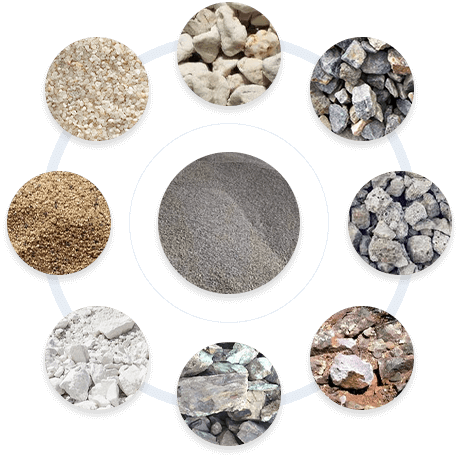
Besides drying fly ash, the fly ash dryer is also suitable for drying materials such as sand, slag, and clay. For more detailed information about fly ash dryer, please contact us at any time.
Desulfurization gypsum from power plants is an industrial by-product of flue-gas desulfurization. Characterized by high moisture content and a tendency to clump, it easily reabsorbs moisture and hardens when stockpiled. Long-term open-air storage not only
Foundries recycling used moulding sand often face one critical choice: standard single rotary dryer or three‑pass (triple‑drum) dryer. Both can dry reclaimed foundry sand, but their fit differs sharply based on your sand type, space, energy budget and qua
Many small limestone and heavy calcium carbonate processing plants have limited space and budgets. Large rotary drum dryers are unsuitable, and civil engineering modifications are expensive. Blindly investing in large equipment is not feasible for low-vol
Compared to standard industrial bentonite, the raw material used for cat litter demands much stricter processing standards. The finished product's market competitiveness hinges directly on factors such as clumping performance, dust levels, granule hardne