Focus on heavy equipment
Focus on heavy equipment


The iron ore dryer is a rotary drum dryer for the mining industry. New heat sources such as natural gas, fuel oil, steam waste heat and other new clean fuels are used to replace coal-fired hot blast stoves for heating, and are designed according to the actual needs and requirements of users.

The investment cost of iron ore dryers using rotary drum dryers is relatively low, which is a very important factor and core issue that directly affects the benefits of user projects. Whether the iron ore dryer is a high-temperature hot air drying process or a steam waste heat indirect drying process, the heat supply is sufficient, the temperature meets the water evaporation requirements of iron ore, and the lower fuel consumption is a dryer that is more beneficial to customers.
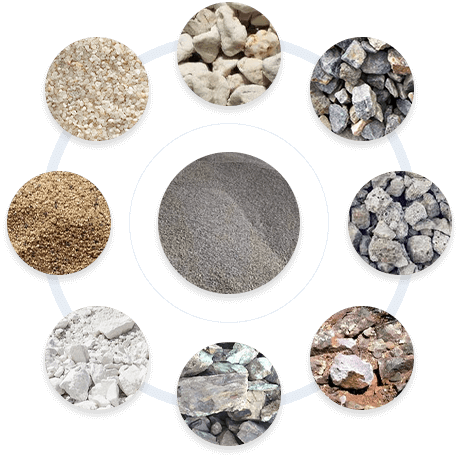
The iron ore dryer has strong adaptability and is suitable for drying equipment for various mineral materials such as tailings, slag, slag, and clay. With the recycling and reprocessing of tailings in the mining industry, the use of iron ore dryers is expanding and the application fields are more extensive.
Desulfurization gypsum from power plants is an industrial by-product of flue-gas desulfurization. Characterized by high moisture content and a tendency to clump, it easily reabsorbs moisture and hardens when stockpiled. Long-term open-air storage not only
Foundries recycling used moulding sand often face one critical choice: standard single rotary dryer or three‑pass (triple‑drum) dryer. Both can dry reclaimed foundry sand, but their fit differs sharply based on your sand type, space, energy budget and qua
Many small limestone and heavy calcium carbonate processing plants have limited space and budgets. Large rotary drum dryers are unsuitable, and civil engineering modifications are expensive. Blindly investing in large equipment is not feasible for low-vol
Compared to standard industrial bentonite, the raw material used for cat litter demands much stricter processing standards. The finished product's market competitiveness hinges directly on factors such as clumping performance, dust levels, granule hardne