Focus on heavy equipment
Focus on heavy equipment


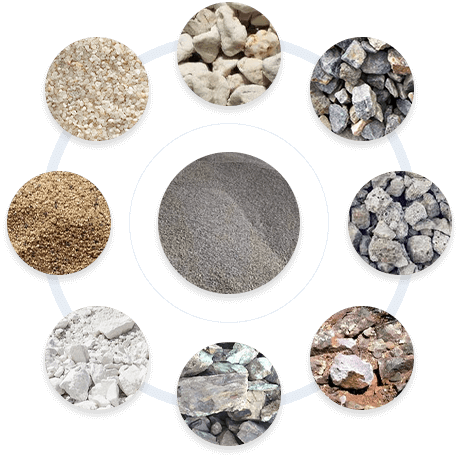
The sand dryer plays a very important role in production. It can quickly dry the moisture in various wet sands, so that the sand has good binding ability, so that it can be better used in the production and use of building materials. The dried sand has a better value. So, what is the market price of a sand dryer?

The sand dryer is not just a piece of equipment, it also has matching equipment, such as feeders, conveyor belts, dust collectors, burners and other auxiliary equipment. In addition, there are large and small sand dryer equipment, and the prices of different sizes of equipment are different.
There are two types of sand dryers: single-cylinder and three-cylinder. Customers can decide according to their own use requirements. The three-cylinder sand dryer has a small footprint, high heat utilization efficiency, and lower drying costs. The single-cylinder sand dryer has a simple structure and is very stable during the operation of the equipment.
When buying a sand dryer, the price is very important, but the quality of the equipment cannot be ignored. The material, thickness, structure, and manufacturing process of the equipment need to be paid attention to. Only by grasping the two aspects of price and quality can we buy a good sand dryer.
Desulfurization gypsum from power plants is an industrial by-product of flue-gas desulfurization. Characterized by high moisture content and a tendency to clump, it easily reabsorbs moisture and hardens when stockpiled. Long-term open-air storage not only
Foundries recycling used moulding sand often face one critical choice: standard single rotary dryer or three‑pass (triple‑drum) dryer. Both can dry reclaimed foundry sand, but their fit differs sharply based on your sand type, space, energy budget and qua
Many small limestone and heavy calcium carbonate processing plants have limited space and budgets. Large rotary drum dryers are unsuitable, and civil engineering modifications are expensive. Blindly investing in large equipment is not feasible for low-vol
Compared to standard industrial bentonite, the raw material used for cat litter demands much stricter processing standards. The finished product's market competitiveness hinges directly on factors such as clumping performance, dust levels, granule hardne