Focus on heavy equipment
Focus on heavy equipment


Aggregate dryer is an important aggregate processing equipment, as the high moisture content of aggregates can affect the strength of concrete and affect the structural safety of buildings. The aggregate dryer ensures the quality of subsequent products by removing moisture from the aggregate, and is widely used in industries such as quarries, asphalt mixing plants, and concrete mixing plants.

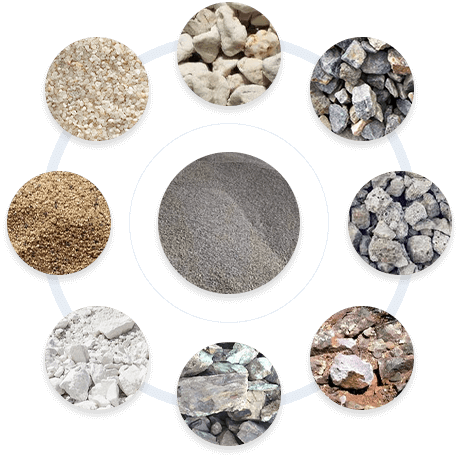
At the quarry, after crushing and screening, the aggregate enters the aggregate dryer and is dried to the target moisture content before entering the finished product bin. The types of aggregates that can be processed by the aggregate dryer include basalt, granite, limestone, sand, and gravel. The use of aggregate dryers can greatly improve the efficiency of subsequent screening and storage, providing qualified dried aggregates for subsequent asphalt and concrete production.
The asphalt mixing plant mainly consists of a cold aggregate bin, a drying drum, a burner, a vibrating screen, a hot aggregate lifting system, and a mixing system. The aggregate drying system is mainly used to heat cold aggregates to 160-190 ° C and remove moisture. The dried aggregate must meet the temperature requirements for asphalt mixture construction.
Concrete mixing plants require dry aggregates to ensure precise mixing ratios. Because of the direct impact of the moisture content of aggregates on the water cement ratio and strength of concrete, strict control is necessary. The concrete mixing plant includes cement silos, aggregate silos, mixers, and control systems. The aggregate drying equipment and mixing system work together to support the production of ready mixed concrete and mortar.
In the production of dry mixed mortar, the aggregate dryer is mainly used to dry granular materials such as yellow sand, molding sand, and slag, and control the final moisture content below 0.5% -1%. The application of dry mix mortar includes exterior wall insulation mortar, ground leveling mortar, masonry plastering mortar, and various special functional mortars.
After sorting, crushing, and screening, construction waste can be converted into environmentally friendly bricks, concrete, and machine-made sand. Recycled aggregates can replace natural crushed stone or machine-made sand for the construction of concrete stabilization layers and urban road base layers. Recycled aggregates in construction waste need to be dried before use to remove moisture and impurities, thereby improving their quality and applicability.
Aggregate dryers are widely used in quarries, asphalt mixing plants, concrete mixing plants, dry mix mortar plants, and construction waste recycling stations. Different application industries have varying requirements for devices; Proper selection and maintenance are key to ensuring production efficiency. If you have any questions about the selection of aggregate drying equipment, please feel free to contact us at any time.
Desulfurization gypsum from power plants is an industrial by-product of flue-gas desulfurization. Characterized by high moisture content and a tendency to clump, it easily reabsorbs moisture and hardens when stockpiled. Long-term open-air storage not only
Foundries recycling used moulding sand often face one critical choice: standard single rotary dryer or three‑pass (triple‑drum) dryer. Both can dry reclaimed foundry sand, but their fit differs sharply based on your sand type, space, energy budget and qua
Many small limestone and heavy calcium carbonate processing plants have limited space and budgets. Large rotary drum dryers are unsuitable, and civil engineering modifications are expensive. Blindly investing in large equipment is not feasible for low-vol
Compared to standard industrial bentonite, the raw material used for cat litter demands much stricter processing standards. The finished product's market competitiveness hinges directly on factors such as clumping performance, dust levels, granule hardne