Focus on heavy equipment
Focus on heavy equipment


The sand dryer is generally a three-pass drying equipment, which is specially developed for the granular high-fluidity materials such as river sand, river sand and various artificial sands. It can effectively dry all kinds of sand. The sand dryer has simple operation, strong processing capacity and high degree of automation. So what are the uses of sand drying equipment besides drying sand?

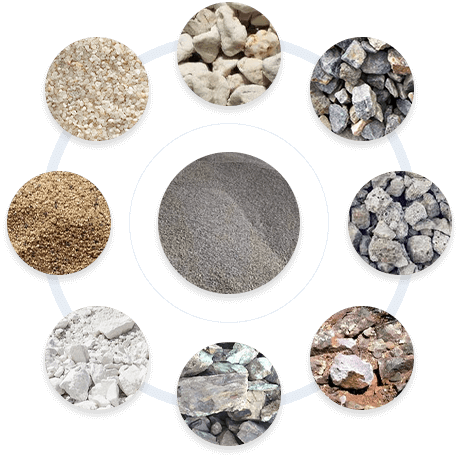
The sand dryer has a wide range of uses, suitable for all kinds of sand, such as yellow sand, river sand, river sand, and various artificial sand, such as granular materials with good fluidity, such as small clays, various molding sands in the construction industry, and building materials and cement industries. In the blast furnace slag, chemically knitted materials are not easy to occur in the chemical industry. In addition, the sand drying equipment can also be equipped with different copy boards according to the characteristics of different materials to achieve the drying effect of the sand drying equipment on different materials. It can dry river sand, dry mixed mortar, yellow sand, cement plant slag, clay, coal gangue, mixture, fly ash, gypsum, iron powder, limestone and other raw materials. It is widely used in building materials, chemical, casting and other industries.
Zhengzhou Jiutian, a professional dryer manufacturer, has mature technology in the production of sand dryers. If you are interested in our equipment, please feel free to contact us.
Desulfurization gypsum from power plants is an industrial by-product of flue-gas desulfurization. Characterized by high moisture content and a tendency to clump, it easily reabsorbs moisture and hardens when stockpiled. Long-term open-air storage not only
Foundries recycling used moulding sand often face one critical choice: standard single rotary dryer or three‑pass (triple‑drum) dryer. Both can dry reclaimed foundry sand, but their fit differs sharply based on your sand type, space, energy budget and qua
Many small limestone and heavy calcium carbonate processing plants have limited space and budgets. Large rotary drum dryers are unsuitable, and civil engineering modifications are expensive. Blindly investing in large equipment is not feasible for low-vol
Compared to standard industrial bentonite, the raw material used for cat litter demands much stricter processing standards. The finished product's market competitiveness hinges directly on factors such as clumping performance, dust levels, granule hardne